

Sapa and Fansipan Guide: Cable Car, Cold Weather and Packing
How to visit Sapa and Fansipan from Hanoi: getting there, the cable car and mountain train, what to wear in the cold, and tips for kids and seniors.
By Alab Travel and Tours ·

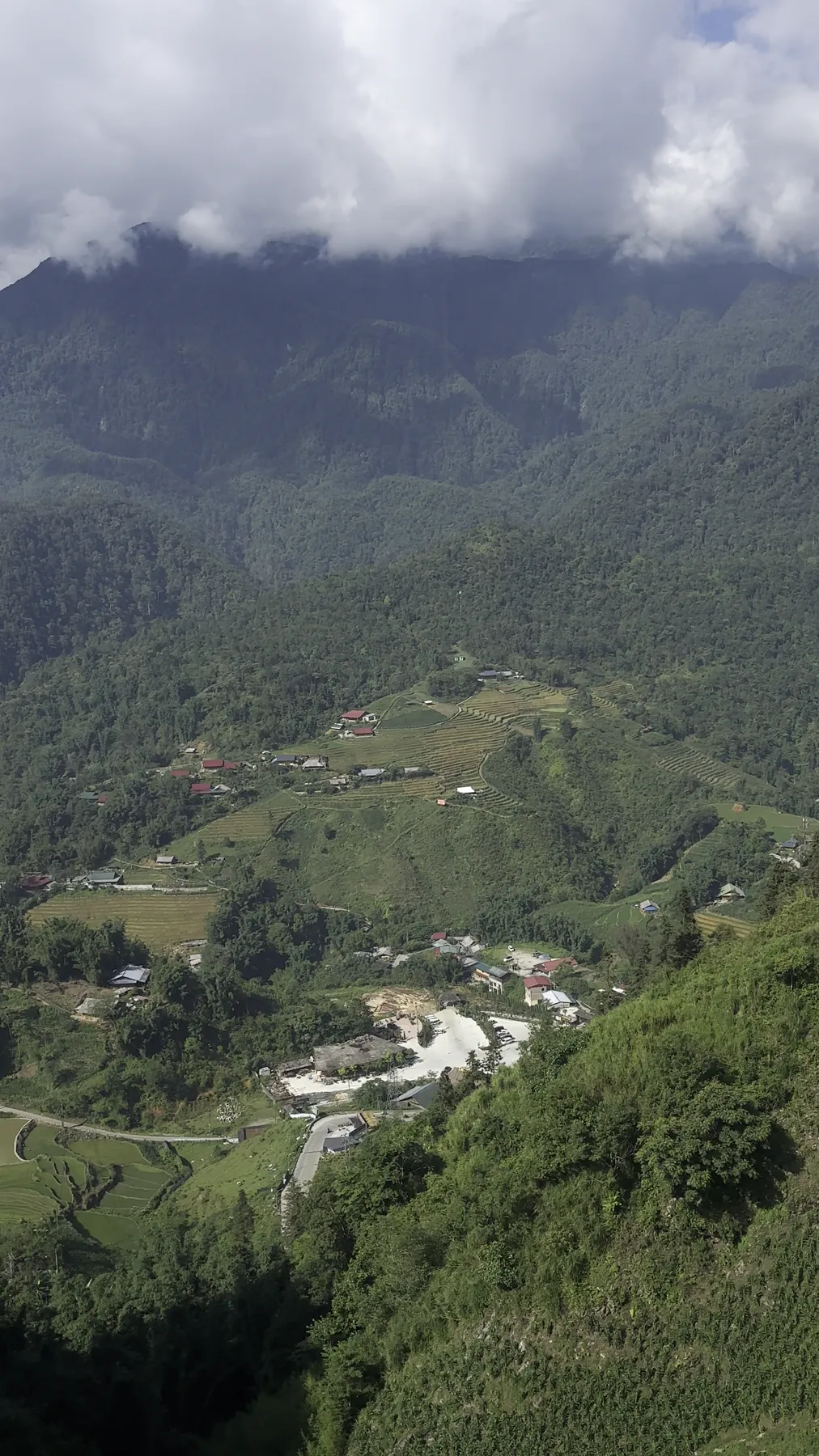
Sapa is a mountain town in the far north of Vietnam, close to the China border. Rice terraces, hill villages, mist, and real cold weather. Above it stands Fansipan, the highest mountain in Vietnam and in all of Indochina, at about 3,143 meters.
For many Filipinos, Sapa is the highlight of a North Vietnam trip. Here’s how to plan it.
Getting to Sapa
Sapa is about 5 to 6 hours from Hanoi by road. Most travelers go by:
- Sleeper bus or limousine van: the most common way. Sleeper buses have bed-like seats.
- Private van: best for families and groups, with stops when you need them.
- Night train plus road transfer: the train goes to Lao Cai, then it’s about an hour by road up to Sapa.
Plan at least 2 days in Sapa. One day is mostly travel.
Fansipan: the top of Indochina
You don’t need to hike to the summit anymore. The way up:
- Mountain train from Sapa town to the cable car station (short and scenic)
- Cable car over valleys and forest, often into the clouds
- Stairs or a short funicular from the top station to the summit, with temples and pagodas along the way
At the top is the summit marker and a Vietnamese flag. On clear days the view is huge. On cloudy days you’re literally inside a cloud, which is its own experience.
Important: it’s much colder at the summit than in Sapa town, and much colder than Hanoi. Dress for it (see below).
Other things to do in Sapa
- Cat Cat Village: a hill village with a waterfall, bridges and traditional houses. There are steps, so pace yourself.
- Moana Sapa: a photo park with swings and frames over the valley.
- Dragon Cloud glass bridge: a glass-floored bridge over a deep valley. Not for the faint-hearted.
- Sapa town and night market: grilled skewers, hot drinks and local crafts.
- Rice terraces: greenest in summer, golden around September before harvest.
When to go
- March to May and September to November: the most comfortable months. September is rice-terrace season.
- December to February: cold, often near freezing at night, especially on Fansipan. Frost happens. Snow is rare and never guaranteed.
- June to August: green but rainy. Fog can hide the views.
More detail: Vietnam weather by month.
What to pack for Sapa
Filipinos underestimate the cold here. Bring:
- A proper winter jacket (not just a hoodie) from November to March
- Thermal innerwear (top and bottom), especially for kids and seniors
- Gloves, a beanie and a scarf
- Closed shoes with good grip for slopes and wet steps
- A small umbrella or raincoat
- Lip balm and lotion, because the cold air is dry
You can buy cheap jackets in Sapa and Hanoi, but don’t count on finding the right sizes for the whole family.
Sapa with kids and seniors
- Kids 6 and up usually love it: the train, the cable car, the cold.
- For seniors, the cable car makes Fansipan possible, but the high altitude and cold can be tiring. Go slow, take the funicular instead of the stairs, and keep the summit visit short.
- Anyone with heart or breathing problems should ask their doctor before going up.
- Read more: Vietnam with kids and seniors.
Visit Sapa with Alab
Our Hanoi & Sapa family vacation includes 2 days in Sapa (Cat Cat Village, Moana Sapa, the Fansipan cable car and mountain train, and the glass bridge), then a Hanoi city tour. Have a look at the photos from the road on the trip page.
Plan the rest of the North: Hanoi guide for Filipinos · Ha Long Bay: day trip or overnight?